







207 kinds of fruits and vegetables, fermented with Taiwan’s professional technology, more comprehensive protection
1: Melon 31: Mustard greens 61: Beetroot 92: Papaya enzyme 122: Bifidobacterium 152: Sea buckthorn fruit 182: Oregonaceae
2: Watermelon 32: Artemisia 62: Purple cabbage 93: Protein enzyme 123: Lactobacillus coagulans 153: Black dates 183: Pearlwort
3: Green papaya 33: Artemisia 63: Ginger 94: Lactase 124: Lactobacillus paracasei (LP bacteria) 154: Sesame 184: Sichuan seven
4: Cantaloupe 34: Cabbage 64: Pleurotus eryngii 95: Amylase 125: Barley seedlings 155: Lotus leaf 185: Red sweet potato
5: Cantaloupe 35: Half-bearing artemisia 65: Shiitake mushroom 96: Lipase 126: Wheat seedling 156: Longan 186: Acanthopanax
6: Tomatoes 36: Cauliflower 67: Enoki mushrooms 97: Fiber enzyme 127: Peach 157: Red dates 187: Fenugreek
7: Pineapple 37: Eggplant 68: Black fungus 98: Sweet orange 128: Lychee 158: Tremella 188: Natto
8: Grapefruit 38: Green pepper 69: Guava leaf 99: Ponkan 129: Pomegranate 159: Oats 189: Hops
9: Orange 39: Cucumber 70: Carotene 100: Luffa 130: Cranberry 160: Rose petals 190: Andrographis paniculata
10: Citrus 40: Courgette 71: Five-leaf pine 101: Bitter melon 131: Raspberry 161: Cassia 191: Rehmannia glutinosa
11: Maogu mandarin 41: Pumpkin 72: Xianfengcao 102: Cabbage 132: Cherry 162: Cinnamon 192: Angelica sinensis
12:Guava 42:Bitter melon 73:Echeveria 103:Celery 133:Black currant 163:Lily 193:Astragalus
13: Grapes 43: Artemisia 74: Cactus fruit 104: Qingjiang vegetable 134: Gooseberry 164: Wild jujube kernel 194: American ginseng
14: Banana 44: Cabbage 75: Peanut stem 105: Brazilian pear 135: Asparagus 165: Mangosteen 195: Gastrodia elata
15: Jackfruit 45: Rapeseed 76: Bamboo leaves 106: Chinese cabbage 136: Bayberry 166: Mingmu leaves 196: Schisandra chinensis
16: Dragon fruit 46: Cabbage 77: Basil 107: Pea 137: Roselle 167: Peanut 197: Celery seed
17: Japanese mandarin 47: Changhong bean 78: Moringa leaves 108: Apple 138: Bilberry 168: Pueraria 198: Chinese toon
18: Green plum 48: Cattail 79: Rag seeds 109: Passion fruit 139: Hawthorn 169: Nettle root 199: Chive seeds
19: White grapes 49: Red cabbage 80: Wolfberry 110: Kale 140: Chasteberry 170: Artichoke 200: Lemon balm
20:Mulberry 50:Corn 81:Mint leaves 111:Potato 141:Brown rice 171:Wolfberry 201:Rose hip
21: Candied dates 51: Green pepper 82: Vanilla 112: Sweet potato 142: Black glutinous rice 172: Chamomile 202: Mulberry leaves
22: Lemon 52: Purple sweet potato leaves 83: Houttuynia cordata 113: Bell pepper 143: Buckwheat 173: Dandelion 203: Lemon verbena
23: White radish 53: Green sweet potato leaves 84: Rosemary 114: White bamboo shoots 144: Barley 174 Black garlic 204: Wood turtle fruit
24: Honey pear 54: Spinach 85: Coriander 115: Smart beans 145: White quinoa 175: Luo Han Guo 205: Juniper berry
25: Carrot 55: Wild amaranth 86: Noni 116: Burdock 146: Black quinoa 176: Corn silk 206: Ophiopogon japonicus
26: Yam 56: Beef tomato 87: Acerola cherry 117: Lactobacillus acidophilus (A bacteria) 147: Wheat germ 177: Pumpkin seeds 207: Polygonatum 27: Mountain celery 57: Okra 88: Strawberry 118: Bulgaricus 148: Job's
tears 178:Alfalfa
28: Water spinach 58: Red sweet potato 89: Blueberry 119: Lactobacillus plantarum 149: Corn 179: Platycodon grandiflorum
29: Broccoli 59: Winter melon 90: Acai berry 120: Streptococcus thermophilus 150: Red quinoa 180: Huaishan
30: Celery 60: Cabbage 91: Onion 121: Lactobacillus acidophilus 151: Rice bran 181: Gotu kola
Diversified nutritional ingredients. Contains vitamins , minerals , amino acids , phytochemicals , probiotics , polysaccharides
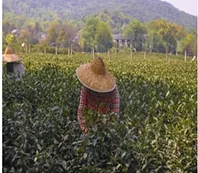
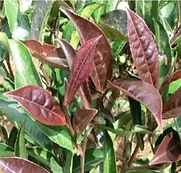
Japanese purple tea essence (Camellia sinensis)
Rich in anthocyanins, tea leaves appear reddish-purple and have high antioxidant activity
Contains purple tea’s unique polyphenol—GHG (1,2-di-Galloyl-4,6-Hexahydroxydiphenoyl-β-D-Glucose)
(The content is higher than ordinary green tea and black tea)
Pesticide-free hand-picked from Japan



Reviews
There are no reviews yet.